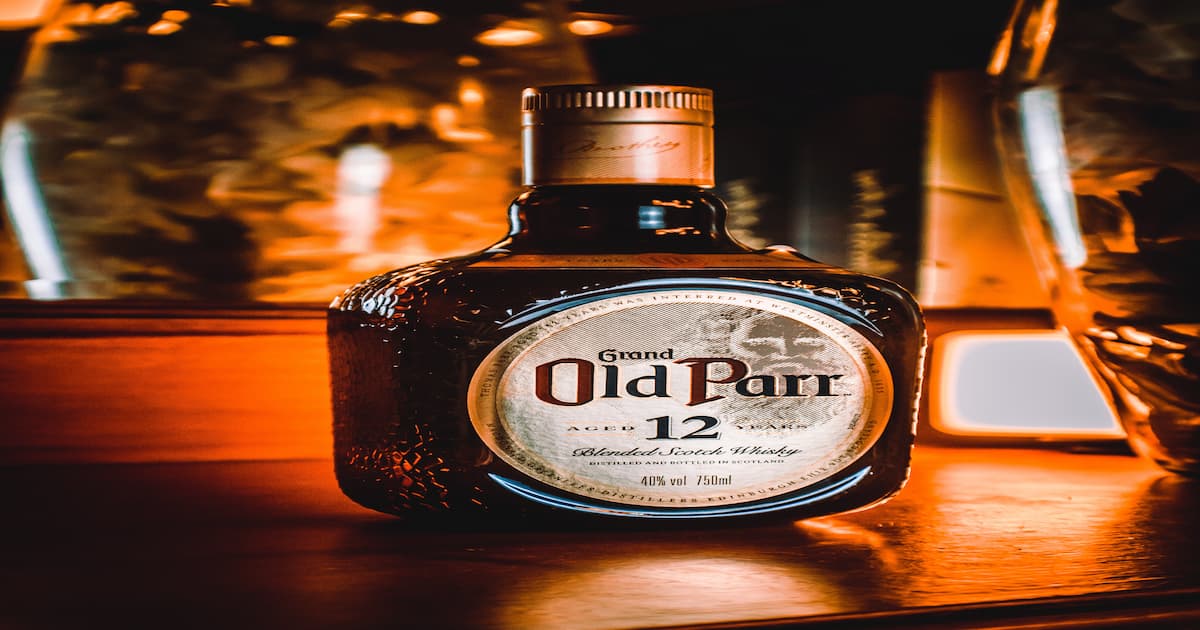
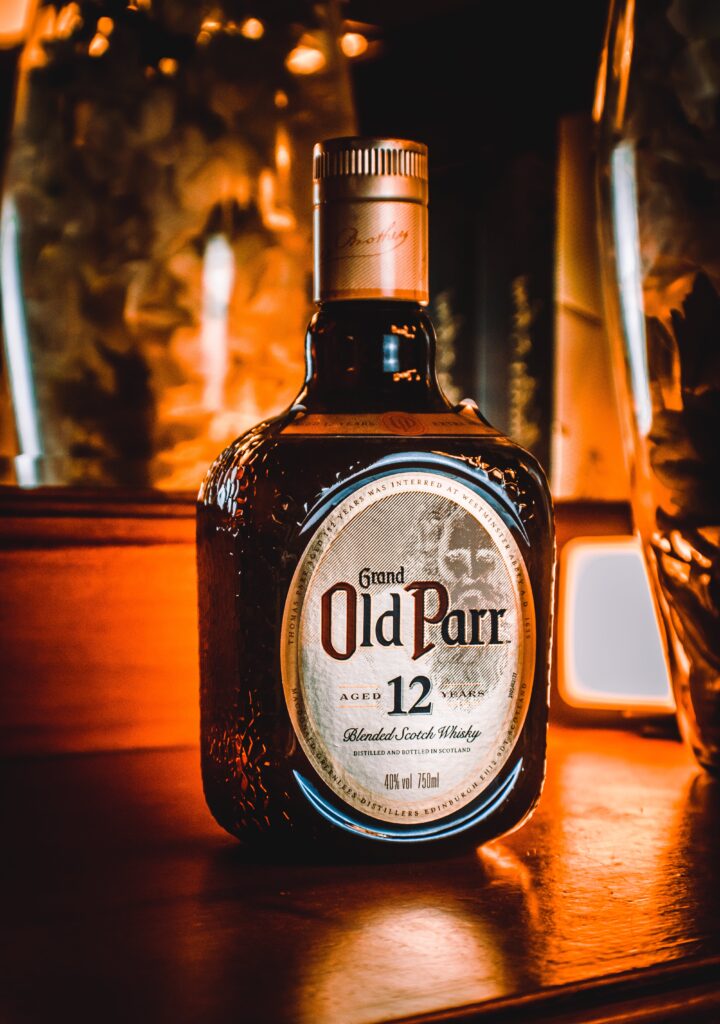
Older or newer whisky — which should you reach for? Let me lay out the differences first, then the reasons, and finally how to actually get your hands on the old ones.
Aroma and Flavor Differences Between Old and New Bottlings
As I keep saying, whisky is a remarkably sensitive spirit. Every cask in the warehouse has a taste of its own, which makes producing two whiskies with absolutely identical flavor close to impossible. It follows that old and new bottlings, made at different times, are bound to taste different — and when the master distiller has changed in between, the gap grows even clearer.
Let me explain how old and new bottlings differ in taste. A caveat before we begin: this is not an area where I can speak in absolutes, because it varies enormously by distillery and by product line. So I will lay out the generally accepted characteristics and add my own, admittedly imperfect, opinions. Note that all comparisons here assume the same distillery and the same age statement or product line.
An old bottling has, by definition, spent longer in the bottle than a new one. Time in glass does not count toward the age statement, of course. Still, some hold that maturation continues in the bottle — so-called “bottle aging” — and that it matters. Most whisky is released as a blend of many casks for complexity, and when spirits that matured separately for years or decades are suddenly combined, it stands to reason they need time to knit together. They are married well enough before bottling, naturally — but extra time spent together in the bottle, mingling and settling, should at the very least do no harm.
And quite a few people say bottle aging brings genuinely positive effects. Whether it is the bottle aging or not, I cannot say for certain — but old bottlings do tend toward soft, balanced, harmonious aromas and flavors, whereas new bottlings show more vivid, distinct flavors, usually with certain notes pushed to the front.
Old bottlings also show a rich, complex sweetness — honey, maple syrup, toffee. The grain influence tends to stand out too, sending up a pleasant, distinctive spiciness. As for texture, old bottlings drink more viscous and silky.
That said, the gap between old and new can be wide or narrow depending on the case. If the changeover happened recently, there is little time difference and thus little difference in taste; and if the maturation cask was something other than sherry, the gap can be small as well.
Why Older Bottles Can Be Better
Because old bottlings are rarer and pricier, you will sometimes hear that they are simply better, full stop. Taste is personal, so I hesitate to pronounce — but no, an old bottle is not automatically a better bottle.
Glenfiddich, for one, shows little difference between old and new; Springbank’s newer bottlings actually earn better reviews than the old ones. Still, it is undeniable that at a great many distilleries, the old bottlings rate higher.
The cases where old clearly outclasses new are usually sherry-cask whiskies — and there is a reason. A sherry cask is an oak cask that once held sherry wine; shaped by the sherry, it passes that character on to the whisky maturing inside. One thing to be careful about: casks in which sherry actually matured are illegal to export from Spain, so those are not the casks being used. A sherry-maturation cask gains value with every reuse and gives the wine ever better influence, which is why the Spanish government banned their export long ago.
The “sherry casks” of whisky, then, were never maturation casks at all — they were shipping containers, casks used to hold sherry aboard ships bound for other countries. Voyages in those days took around six months, long enough for the transport casks to absorb the character of the sherry inside. Mature whisky in one of those, and the sherry character rubs off.
But while sherry wine is about as popular now as it ever was, sherried whisky sets a new popularity record every day. The casks generated as a byproduct of wine exports could no longer cover the demand. So today, many distilleries mass-produce sherry casks — on their own or by commission — by filling casks with cheap sherry, then turning the used wine into vinegar or simply discarding it. Where the old casks had held export-grade sherry, today’s are seasoned with sherry so cheap it would struggle to sell at all. Seen that way, it is hardly surprising that old sherried whiskies out-flavor new ones. Of course, some distilleries may still source their sherry casks the old way.
Sherry casks aside, old versus new often comes down to personal leaning — and thanks to rarity and years of storage, old bottlings usually cost several times more. So rather than fixating on old bottles, drink widely, broaden your experience, figure out what you actually like, and spend accordingly.
How to Find Old Bottles, and How to Open Them
As just noted, old bottlings are rare and hard to find — but not impossible to buy. Here are a few ways, drawn from my experience here in Korea.
First: the underground liquor arcade at Namdaemun Market in Seoul, commonly nicknamed the Namdaemun “Dungeon.” The name is earned — for newcomers, the difficulty level is real. The closest comparison I can offer is an old-school electronics arcade: a maze of veteran dealers where you had better know your prices. You need to know the going rates, recognize rare bottles on sight, and hold your own in a negotiation. I did go there back in my own newbie days, before the whisky boom, though only for cheap, mainstream bottles. The difficulty comes with rewards: whiskies you will rarely see anywhere else, and occasionally prices well below market. That said, most rare bottles there command a premium — supply and demand at work.
Second: join the open chat rooms that liquor shops run on KakaoTalk, Korea’s main messenger. You can see each shop’s stock without visiting, and since old bottlings sometimes surface as special-event releases, the event news comes straight to your phone.
Last: become a regular at a liquor shop. The truth is, the really good old bottles are rarely sold to just anyone; shops typically reserve limited releases for regulars with a purchase history. Many run point systems — each bottle earns points, and only customers past a certain threshold can spend them on the right to buy. And if you visit often enough to get friendly with the owner, I have heard they will sometimes set bottles aside on request. Given enough time and budget, this is the most reliable route to old and rare bottles.
Now, opening one. Most whiskies — the pricier, the more so — are sealed with cork, and after long years there is a high chance the cork has decayed, half-melted onto the glass. The dreaded crumbling cork. Try to pull it and it breaks apart, beyond what fingers can manage. The fix: push five or six cocktail pins or toothpicks into the cork, grip them together, and draw it up slowly and carefully so it crumbles no further. Then re-seal the bottle with a cork saved from a finished whisky, or a spare bought for the purpose. A note of caution: wine has its own tool for broken corks, the Ah-So opener — but wine corks are a different material from whisky corks, and using one here can make matters worse.
Next up: “Vintage Whisky: Definition & Characteristics, Differences with Wine Vintage, Pros & Cons“
Thank you for reading.
Leave a Reply