Definition and Characteristics of Vintage Whisky
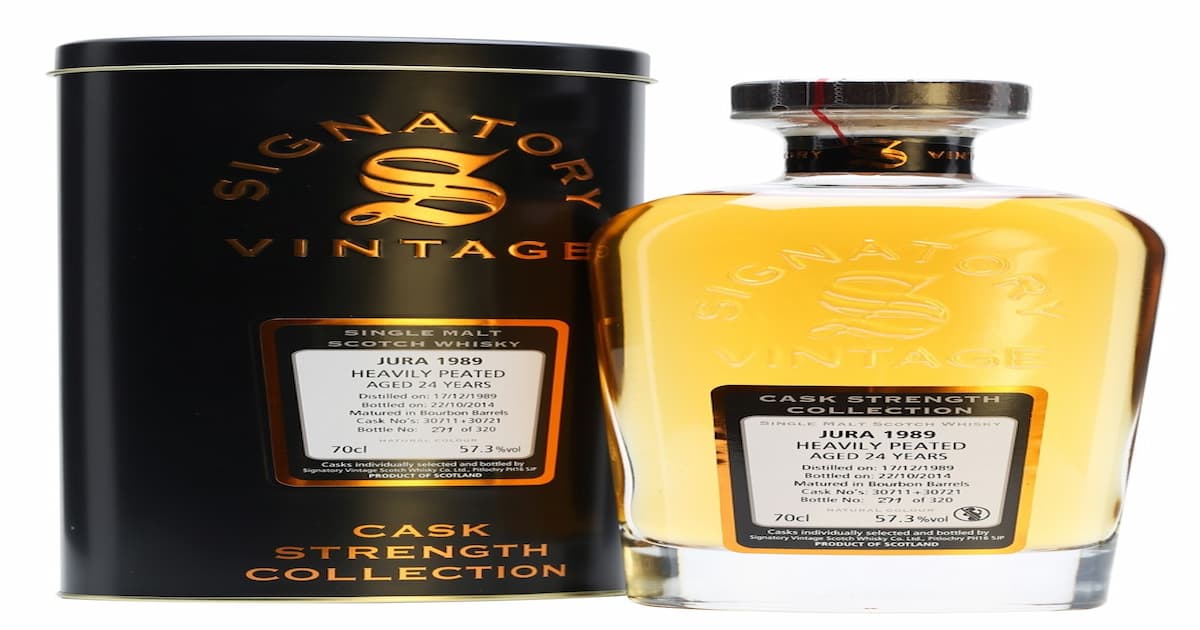
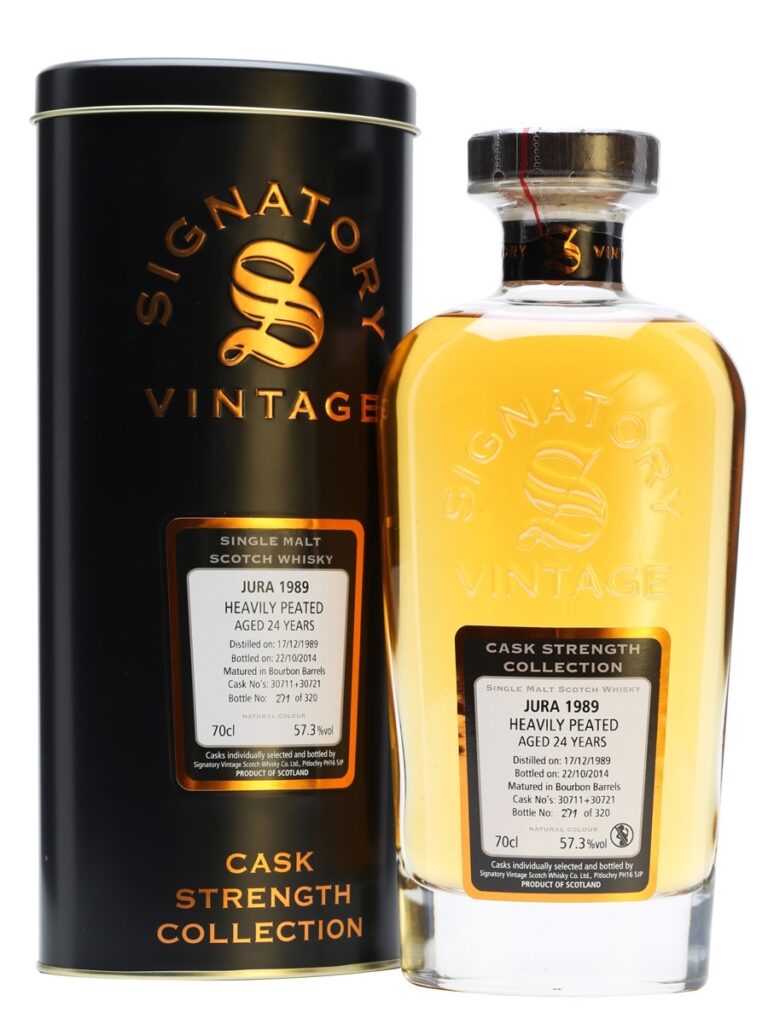
A typical whisky is made by blending spirits distilled at different times and matured for different lengths. But to be called a vintage whisky, a bottle must be made only from spirits distilled in the same year, at the same point in time. Everything inside a vintage release, in other words, was distilled in one year and matured for one identical span. And from that constraint flow several defining traits.
First, scarcity. The amount of spirit distilled in any given year is finite. Only a limited quantity can ever be supplied, and once it runs out, making more is out of the question. The one exception: if the distillery held back some of that vintage’s spirit for further maturation, it can later release the same vintage at a higher age — though the price will rise exponentially for it.
Next, a distinctive flavor. Because everything in the bottle was distilled in a single year, the character of that year — its weather, the quality of its grain — seeps through into the aroma and taste.
Last, commemoration. Because a vintage is released from a single year’s spirit rather than a blend of many, it can be bought to mark a year that means something to you — a birth year, say. Owning a whisky the same age as a milestone year holds a powerful appeal for enthusiasts.
Differences from Wine Vintage
Whisky and wine both use the word “vintage” — but the same word does not mean the same thing.
A whisky’s vintage is set by the year of distillation. A wine’s vintage is the harvest year of its grapes — because the conditions of the year the grapes grew, from climate and rainfall to temperature, exert a dominant influence on the wine’s flavor.
The main maturation stage differs too. As covered in an earlier post, only time in the cask counts toward a whisky’s age statement — cask maturation is that influential and that important. Wine, by contrast, generally matures in the bottle. That is why the finer the wine, the longer it is kept unopened in the cellar, maturing all the while.
Despite these differences, plenty of people still mix up the two vintages. Here in Korea, wine remains the more mainstream drink — lower in alcohol, easier to enjoy. But since the whisky boom took off a few years ago, many people have thankfully taken an interest, and some have tried to graft their wine knowledge onto whisky. In the end, though, they are different drinks, and much of that knowledge simply does not transfer. My hope is that through this post and the ones to come, we can keep learning about whisky together.
Pros and Cons of Vintage Whisky
The more constrained and detail-driven a category is — and vintage whisky is exactly that — the more sharply its pros and cons divide.
The pros first. Beyond the distinctive flavor already mentioned, vintage whisky’s appeal lies in collectability. Ordinary whiskies — even though old bottlings are rated higher — sometimes differ little in taste and carry no real scarcity. A vintage, made only from one year’s spirit, carries that year’s unique character and can never be produced again once sold out. That is why the bottle usually states its number out of the total produced worldwide. Some buy them as investments. Private resale of alcohol is illegal in Korea, admittedly — but if the liquor tax laws are revised, person-to-person sales could become possible as they are in neighboring Japan, and selling abroad is already an option.
The greatest advantage, though, is celebrating and remembering special days. I suspect this is why most people buy vintage whisky in the first place. I own my own birth-year vintage, and I am hunting down my family members’ as well. A birth-year vintage is made from spirit distilled the year you were born — a whisky the same age as you, a friend of sorts — and opening it on a special day makes that day shine brighter. And it need not be a birth year: a wedding year, or any other year that matters, can be collected the same way.
But nothing comes with advantages alone. The cons are just as clear-cut.
The biggest drawback: rarity and price. Limited production breeds scarcity, and scarcity sets a high price bracket. It varies case by case, but the older the vintage, the higher the price — even at the same age statement, much as old bottlings command more — and older vintages generally carry longer age statements anyway. The result is a whisky that is both very expensive and very hard to find.
Next, the flavor itself. I called it distinctive and full of character earlier — which is another way of saying it may not suit your palate. If a commemorative whisky bought at a steep price turns out not to be to your taste, that is a real downside. Then again, many people keep their vintage bottles sealed as pure collectibles, so it comes down to personal choice. One more point: weather, distilling technique, and countless small details change from year to year, so consistent quality is not something to expect.
Next up: “What Is a Whisky Cask: Sizes, Wood Types, and Reuse”
Thank you for reading.
Leave a Reply