Whisky Knowledge
-
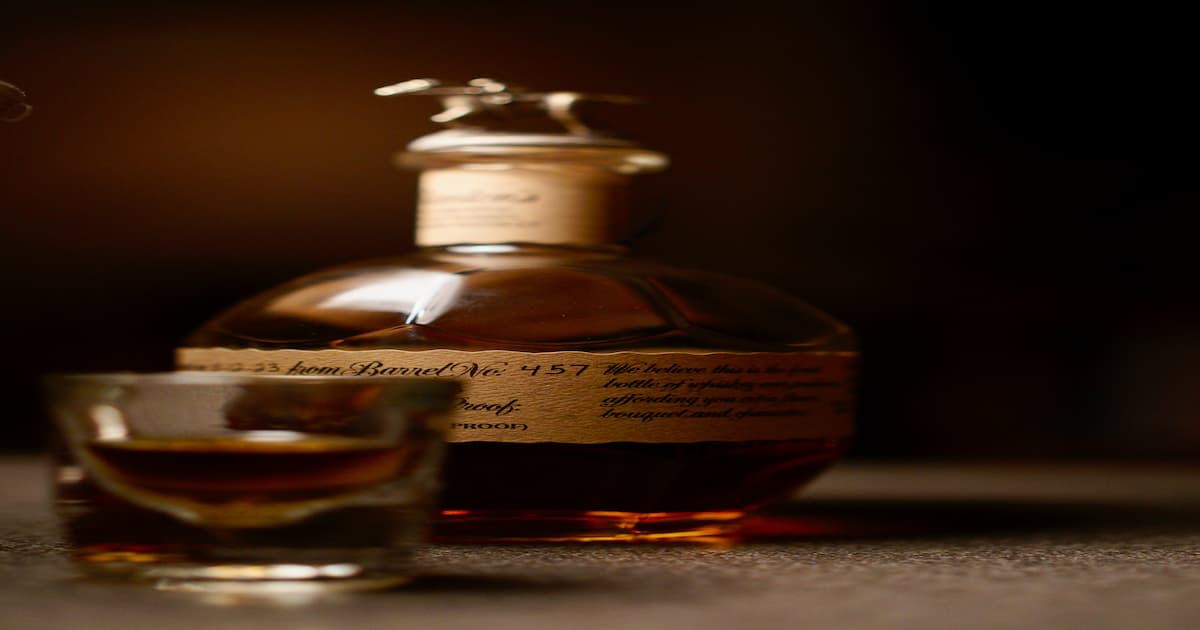
All About NAS Whisky: What NAS Whisky Is, Why It Is Made, and Famous Products
What Is NAS Whisky The NAS in NAS whisky stands for No Age Statement. Unlike the usual bottles that carry their maturation age on the label, NAS whiskies are released with no age printed on the bottle at all. At most distilleries, the lowest age you will see printed on a Scotch whisky is 12…
-
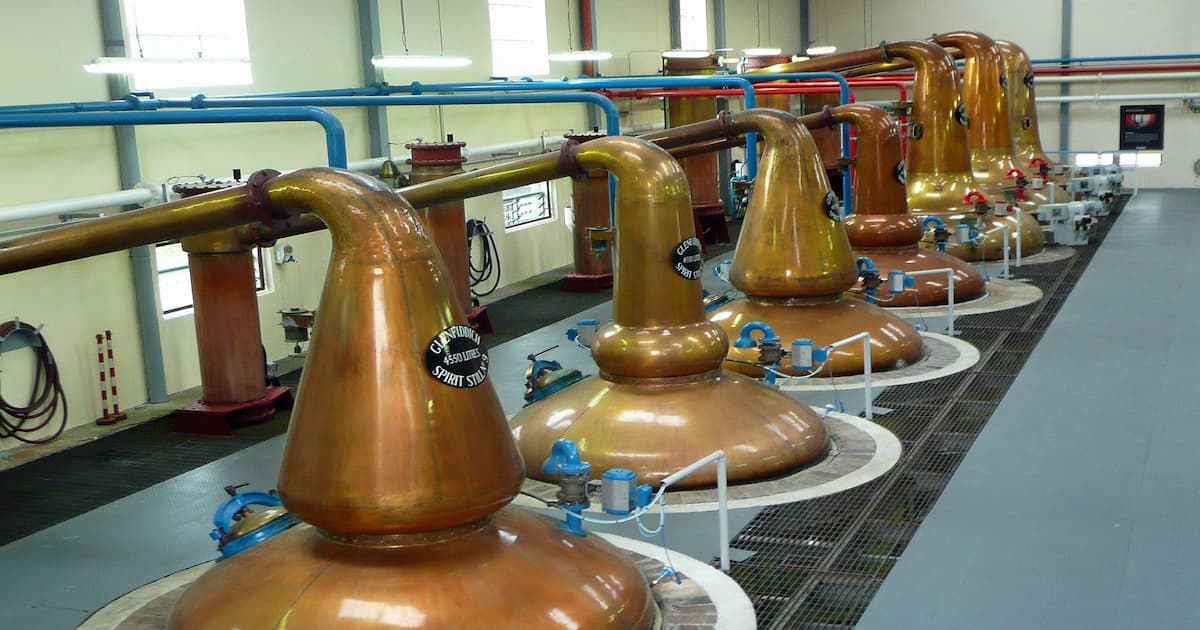
All About Whisky Stills: History and Characteristics, Pot Stills, and Column Stills
Whisky stills are where the magic of distillation happens. Let me cover their history first, then the two great families: pot stills and column stills. The History and Characteristics of Stills Distillation is a physical method of separating a mixture of two or more liquids using relative volatility — put simply, differences in boiling point.…
-
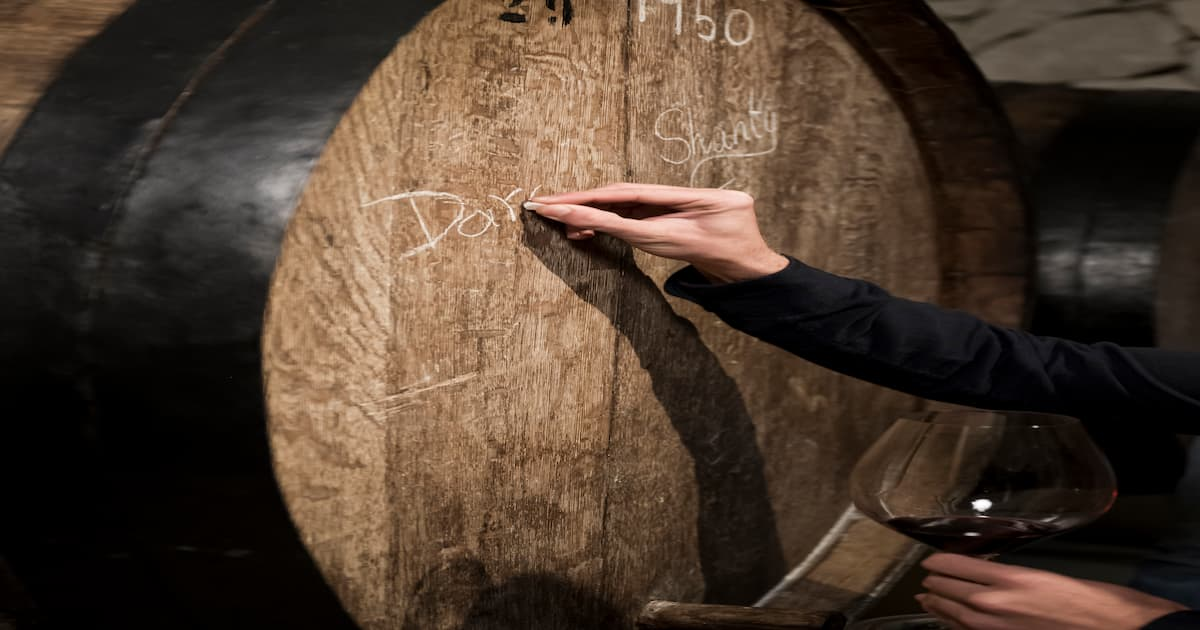
What Is a Whisky Cask: Sizes, Wood Types, and Reuse
Whisky Cask Sizes Whisky-making involves many stages, but if I had to pick the most important one, it would undoubtedly be maturation. Aging takes the longest of any step in production, and it has an enormous influence on quality and flavor. It follows, then, that the cask in which the spirit matures matters just as…
-
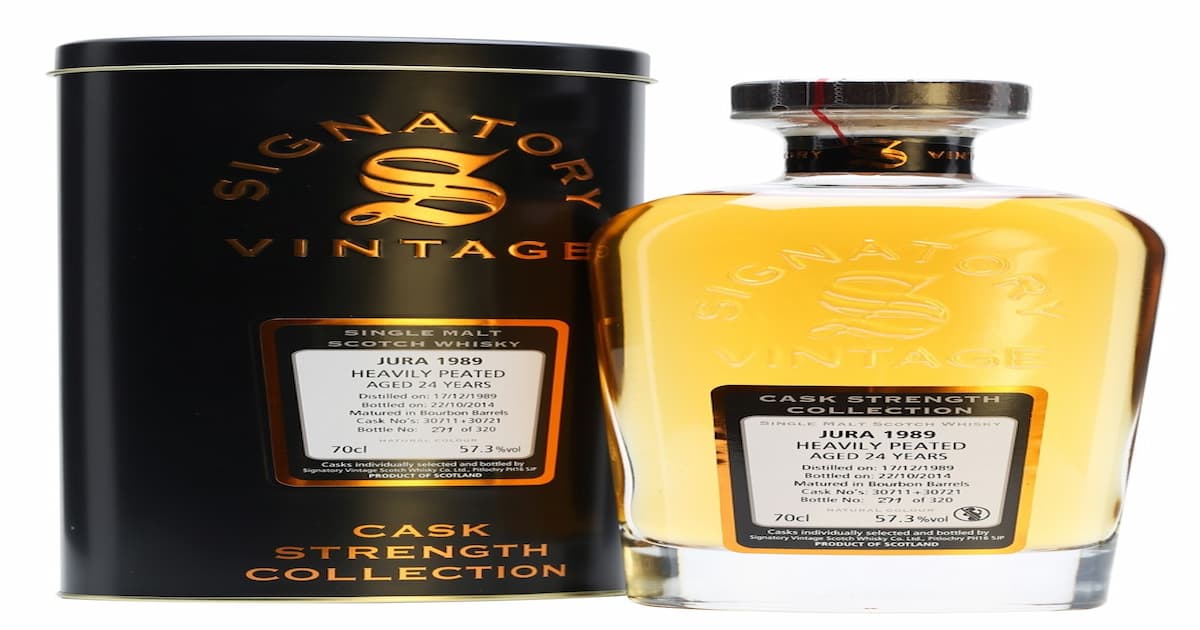
Vintage whisky: definition & characteristics, differences with wine vintage, pros & cons
Definition and Characteristics of Vintage Whisky A typical whisky is made by blending spirits distilled at different times and matured for different lengths. But to be called a vintage whisky, a bottle must be made only from spirits distilled in the same year, at the same point in time. Everything inside a vintage release, in…
-
Which Is Better: Older or Newer Whisky? Aroma and flavor differences, why older bottles can be better, how to find them, and how to open them
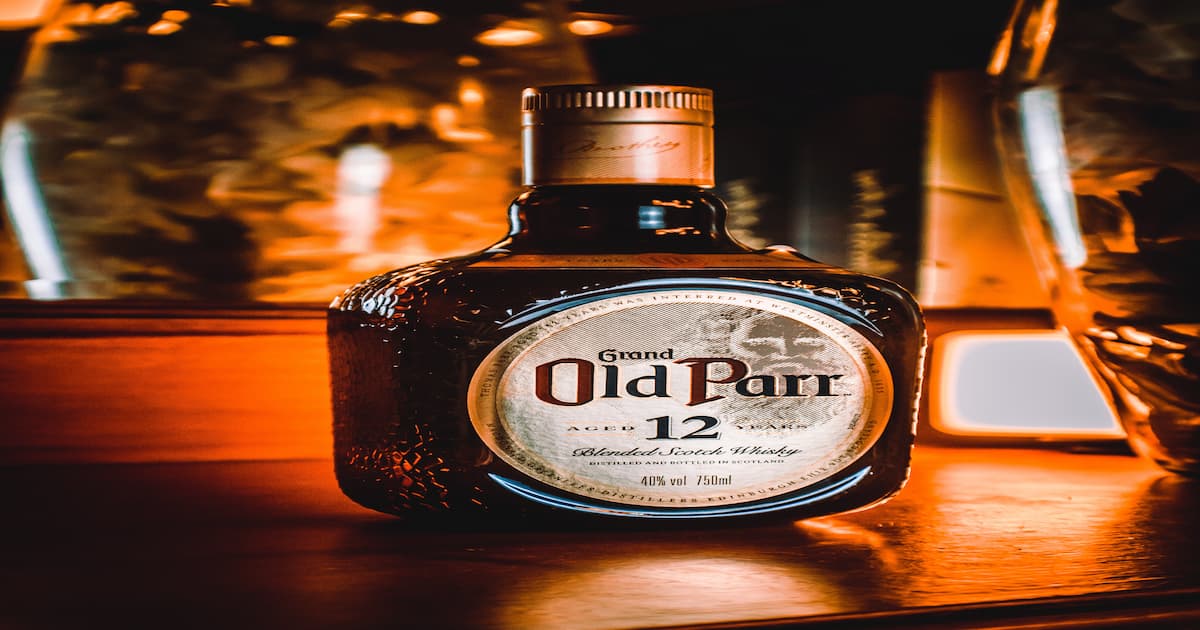
Older or newer whisky — which should you reach for? Let me lay out the differences first, then the reasons, and finally how to actually get your hands on the old ones. Aroma and Flavor Differences Between Old and New Bottlings As I keep saying, whisky is a remarkably sensitive spirit. Every cask in the…
-
Whisky Age Statements: Labeling Standards, Differences by Country and Climate, and How Whisky Changes With Age
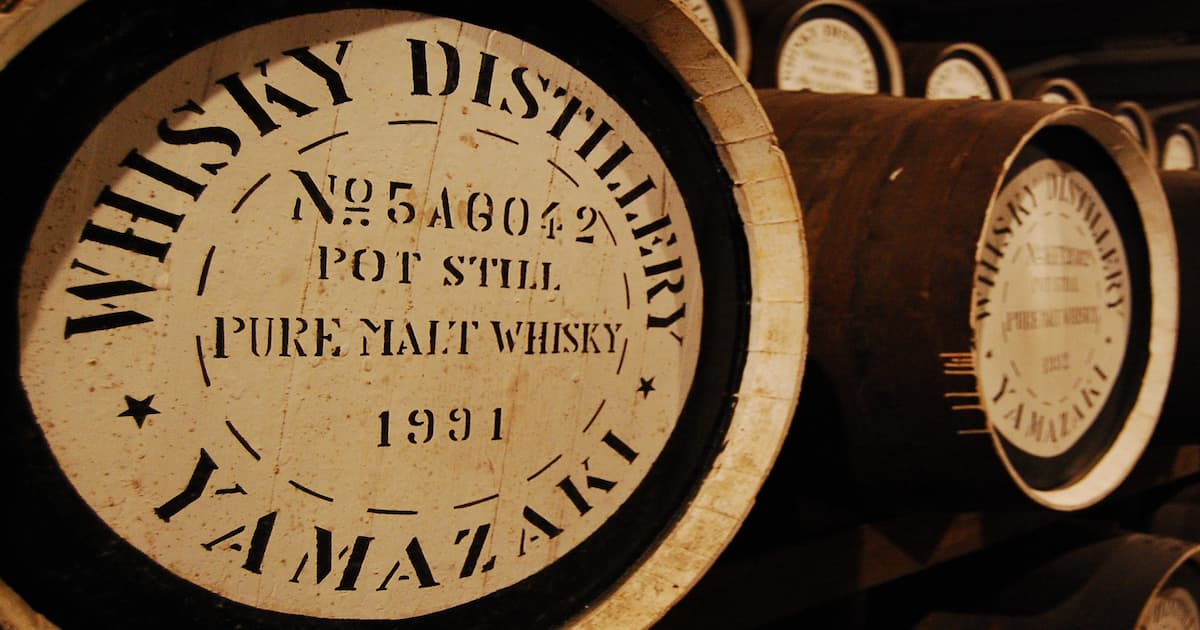
Age Statement Labeling Standards Many people know little about whisky age statements — or know them wrong. Two misconceptions are especially common: believing that the age on the label applies to all the spirit in the bottle, and confusing age statements with wine vintages. Let me start with what the age on the label actually…
-
How Whisky Is Made: Ingredients and Their Characteristics, Production Process, and Sales
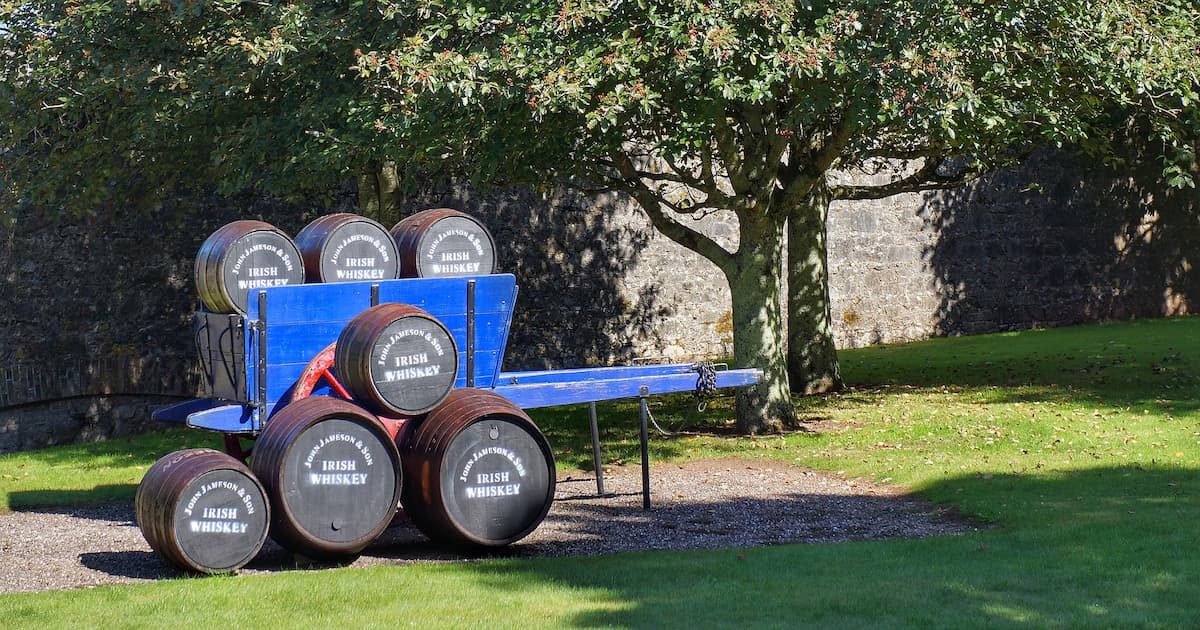
This post covers how whisky is made — from the raw ingredients all the way to the finished bottle on the shelf. Ingredients and Their Characteristics The raw ingredients used to make whisky include malt, grain, corn, rye, and wheat. Let me explain the characteristics of each. First, malt. Malt generally refers to barley that…
-
Why Whisky Is Expensive in Korea: Specific Tax vs. Ad Valorem Tax, Reasons and Controversies, and the Future Direction
To understand why whisky is expensive in Korea, you first need to understand two ways of taxing alcohol: the specific tax and the ad valorem tax. Specific Tax vs. Ad Valorem Tax A “specific tax” uses the quantity or weight of a product as the basis for taxation. No matter how expensive the product is,…
-
How to Store Whisky: Shelf Life, Location and Temperature, Storage Methods
Whisky Shelf Life Whisky is a distilled spirit with a minimum strength of 40% ABV. That makes it an environment where germs and bacteria cannot grow, so as long as it is stored correctly, it cannot spoil. As a result, whisky has no expiration date — one of its greatest advantages. But not spoiling does…
-
What Is Whisky: History and Characteristics, Types, and How to Taste
The History and Characteristics of Whisky What is whisky, exactly — and where did it all begin? The story starts with alchemy in Mesopotamia. It was later Irish and Scottish monks who shaped the whisky we know today, and from there it grew into a spirit enjoyed worldwide. Whisky was once called “uisce beatha” —…