Whisky Cask Sizes
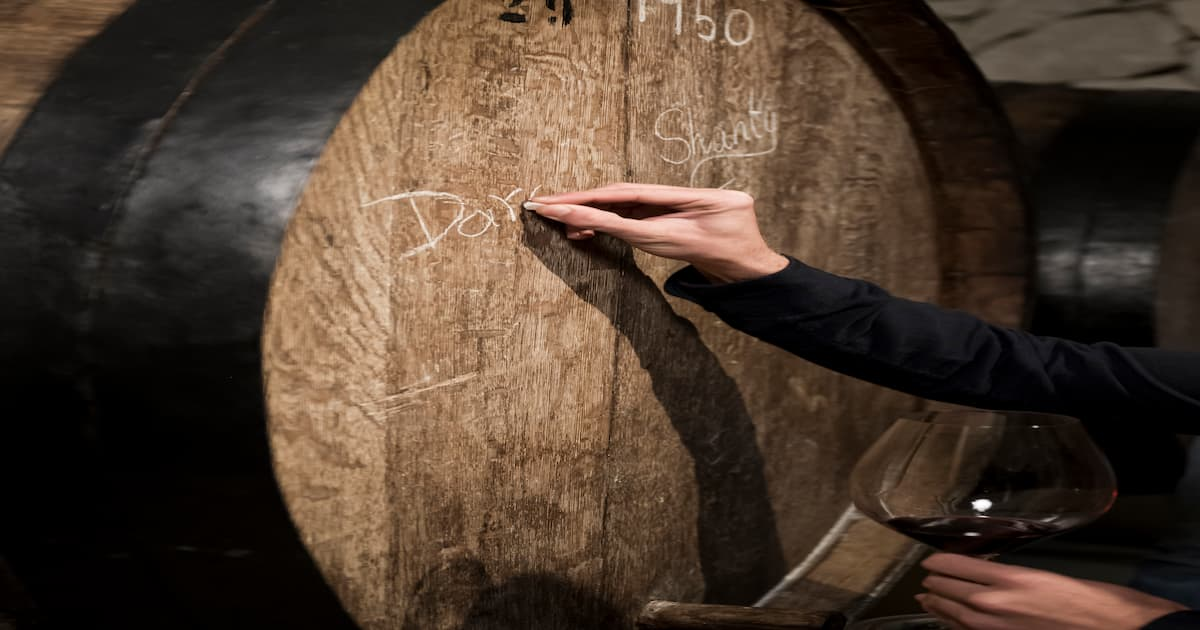
Whisky-making involves many stages, but if I had to pick the most important one, it would undoubtedly be maturation. Aging takes the longest of any step in production, and it has an enormous influence on quality and flavor. It follows, then, that the cask in which the spirit matures matters just as much. Given how profoundly a whisky cask shapes the spirit’s aroma and taste, there are far more cask sizes and types than you might expect.
From smallest to largest, cask sizes run: Blood Tub, Octave, Quarter Cask, American Standard Barrel, Hogshead, Port Pipe, Butt, and Puncheon. To be honest, apart from the famous ones that see frequent use, quite a few of these were new to me as well — I learned about them while doing additional research for this post. That is one of the joys of writing about something I love: I get to share what I know and keep learning along the way.
Let’s take a brief look at each of these casks.
The Blood Tub is the smallest cask, holding just 30 to 40 liters. Because the capacity is so small, it is rarely used outside of private casks or extremely limited production runs. That said, it has the largest wood-contact surface area relative to the liquid it holds, so the spirit interacts intensely with the cask during maturation — which also makes long-term aging difficult.
The Octave holds 50 liters, a quarter the size of an American Standard Barrel. It is still on the small side, so it, too, produces strong interaction with the whisky. It is often used for short maturation periods.
The Quarter Cask holds 125 liters, a quarter the size of a Butt. It is arguably the most balanced size: compared with the larger casks below, its interaction with the whisky is moderately active, which makes long-term maturation possible — and that is why it is so widely used.
The American Standard Barrel holds 200 liters and, as the name suggests, is primarily used to mature bourbon, the American whiskey.
The Hogshead ranges from 230 to 250 liters. Neither too large nor too small, it is — along with the Quarter Cask — one of the most commonly used sizes.
The Port Pipe is a large cask of 350 liters and, as its name indicates, is used for maturing Port wine.
The Butt holds 500 liters and is used for maturing sherry wine. It is an enormous cask, but it sees frequent use in producing sherried whisky, whose popularity has shown no sign of fading for years now.
Finally, the largest of them all: the Puncheon. It holds anywhere from 500 to 700 liters, and the exact capacity depends on what is being matured. Generally, the higher end of the range is used for maturing sherry wine, while smaller capacities serve for aging and storing rum. One more note: you will occasionally see a cask with a different shape from the usual Puncheon also being called a “Puncheon.” These are made from leftover barrel staves — clearly a different cask, but the term ends up being used interchangeably.
Cask Wood Types
Casks are built from wooden planks called barrel staves by craftsmen known as coopers, and the craft itself is called cooperage. A finished cask can be classified in two ways: by the species of wood used for its staves, and by what was previously matured inside it.
Let me start with the wood species. Barrel staves are made from American white oak, European oak, Mizunara oak, chestnut, cherry, and a few others.
American white oak is used to mature American whiskeys, including bourbon. Its signature contribution is flavors of vanilla, caramel, and coconut.
European oak is frequently used for Scotch and other whiskies produced in Europe. It delivers complex notes of tannin, spice, and dried fruit — a broader palette of flavors compared with the more direct, straightforward profile of American white oak.
Mizunara oak, as the name suggests, is native to Japan and comes from the Mizunara oak tree. It is used mainly in Japanese whisky production, lending a distinctive spiciness along with sandalwood and coconut aromas. Mizunara is famously difficult to work with: the wood is porous and brittle, which makes building casks from it a real challenge.
Chestnut is not commonly used, but it appears in some whiskies, adding woody notes and nutty flavors.
Cherry wood is likewise rare, but because it can impart floral aromas and a distinctive fruit character, a handful of distilleries are currently experimenting with it.
Cask Reuse
With the exception of bourbon, most whisky is matured not in new casks but in casks that previously held another drink. This is not a matter of cost — it is done to give the whisky better aromas and flavors. The influence of whatever was matured before comes out of the oak and into the spirit, creating a greater harmony. The cask is then named after what it previously held: a “[drink] cask.”
Let me walk through the main types: sherry, bourbon, Port, Madeira, wine, rum, rye, and Mizunara.
Starting with the most famous of them all — sherry. A sherry cask held Spanish sherry wine before being used for whisky maturation, and it imparts rich fruit and nutty flavors. It also passes along notes of dried fruit, raisins, and a touch of spice.
A bourbon cask previously matured bourbon whiskey, and it delivers vanilla, caramel, and smoky notes.
A Port cask once matured Port wine, lending sweetness along with fruit and berry flavors.
A Madeira cask, having matured Madeira wine, imparts nutty, caramel, and dried-fruit flavors that come together into real complexity.
A wine cask held red or white wine and, depending on the variety, adds fruit, floral, or tannic notes.
A rum cask — exactly as it sounds — previously matured rum, and it gives the whisky sweetness and tropical fruit flavors.
A rye cask previously held rye whiskey, and it passes on the fragrance and bold intensity that define rye.
A Mizunara cask, as mentioned earlier, matured Japanese whisky, and it carries sandalwood and coconut flavors along with that distinctive spiciness.
One more thing worth knowing: sometimes a distillery reuses a cask it has already used itself, rather than one that held a different drink. In that case, the number of uses is indicated on the label. “2nd fill” means the cask is on its second use, “3rd fill” its third, and casks rarely go beyond five fills. A 1st-fill cask exerts a strong oak influence and produces a deep color; conversely, the more times a cask is reused, the paler the color becomes and the weaker the oak’s influence grows. Neither is better or worse — it comes down to personal taste, and to how well the distilled spirit harmonizes with a cask at a given fill count.
Next up: “All About Stills: History, Characteristics, Types, and Unusual Stills.”
Thank you for reading.
Leave a Reply